Anthropic AI কে নীতি শেখাতে ডাক পড়ল স্বামী সর্বপ্রিয়ানন্দ এর।সিলিকন ভ্যালিতে আবারও প্রাসঙ্গিক স্বামী বিবেকানন্দ আর তাঁর বেদান্ত
Anthropic AI অসাধ্য সাধন করে ফেলে নিমেষেই । শুধু তাই নয় মানুষের ভাষায় কথা বলাও সে রপ্ত করে ফেলেছে। আর সেকারনেই মানুষের সিদ্ধান্ত গ্রহনের ক্ষেত্রেও কৃত্রিম বুদ্ধ...

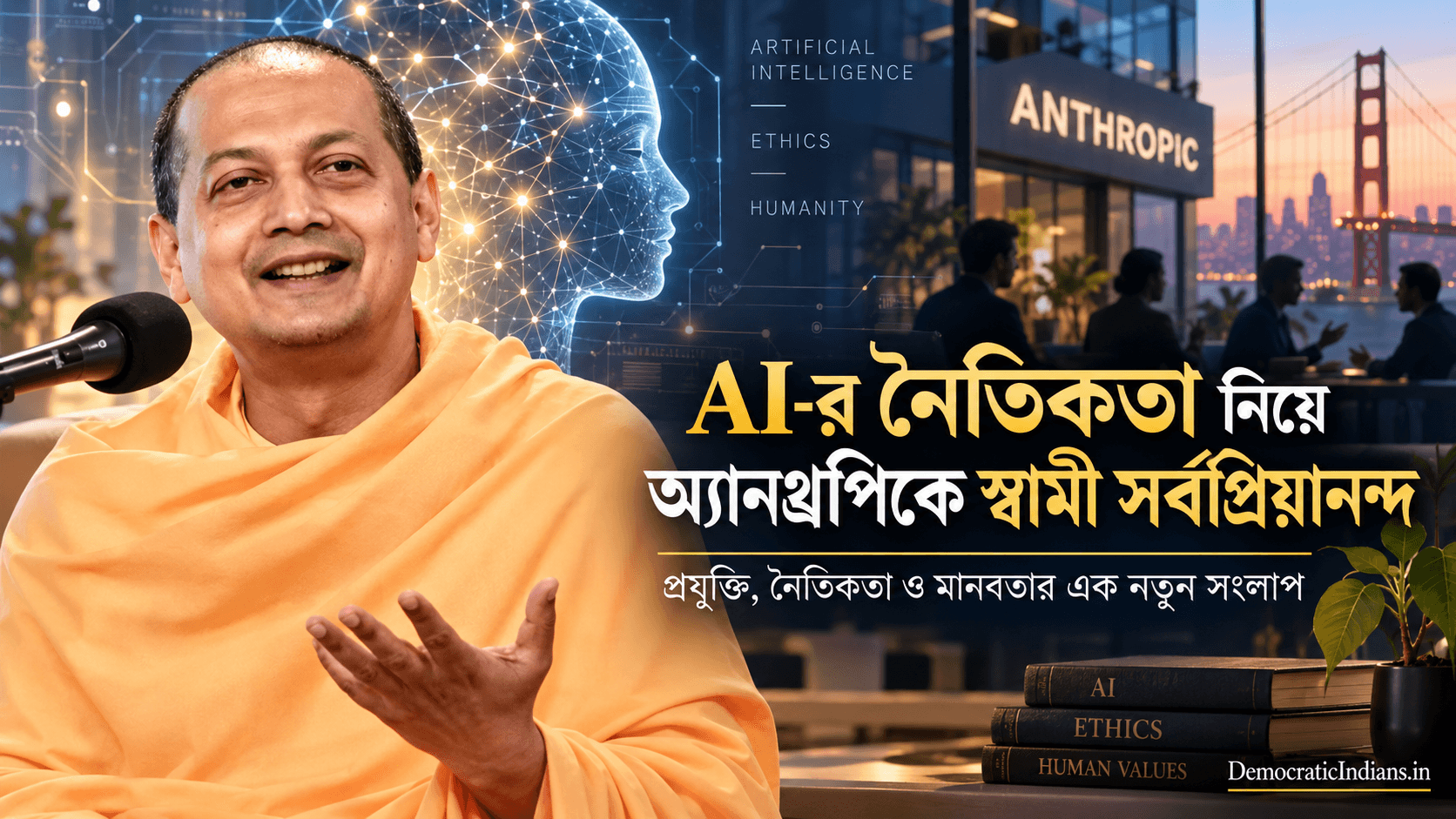
Anthropic AI কে নীতি শেখাতে ডাক পড়ল স্বামী সর্বপ্রিয়ানন্দ এর।সিলিকন ভ্যালিতে আবারও প্রাসঙ্গিক স্বামী বিবেকানন্দ আর তাঁর বেদান্ত
Anthropic AI অসাধ্য সাধন করে ফেলে নিমেষেই । শুধু তাই নয় মানুষের ভাষায় কথা বলাও সে রপ্ত করে ফেলেছে। আর সেকারনেই মানুষের সিদ্ধান্ত গ্রহনের ক্ষেত্রেও কৃত্রিম বুদ্ধিমত্তা একটা বড় ভুমিকা নিচ্ছে তা স্পষ্ট। ঠিক সময়েই কৃত্রিম বুদ্ধিমত্তাকে নৈতিকতার পথে পরিচালিত করার প্রশ্ন উঠছে। Anthropic তাই তাঁদের আলোচনায় আমন্ত্রন জানালেন রামকৃষ্ণ-বিবেকানন্দের ভাবধারায় গড়ে ওঠা এক ভারতীয় সন্ন্যাসী—স্বামী সর্বপ্রিয়ানন্দকে।
বিশ্বের প্রথম সারির AI নির্মাতা সংস্থাগুলির অন্যতম, Claude AI-এর নির্মাতা মার্কিন প্রতিষ্ঠান Anthropic। এই সংস্থাই নিউইয়র্ক বেদান্ত সোসাইটির আধ্যাত্মিক প্রধান স্বামী সর্বপ্রিয়ানন্দকে আমন্ত্রণ জানিয়েছিল সান ফ্রান্সিসকোয় তাদের সদর দপ্তরে। আলোচনার বিষয় ছিল কৃত্রিম বুদ্ধিমত্তা, নৈতিকতা, চেতনা এবং মানুষের কল্যাণে প্রযুক্তির দায়িত্বশীল ব্যবহার।
কেন প্রযুক্তিবিদরা আলোচনায় আনলেন ভারতের বেদান্তের দর্শন?
বিষয়টি সত্যি গুরুত্বপূর্ণ। AI এর ব্যবহার যতদিন যাচ্ছে , জীবনের সব কাজের সঙ্গেই তার নিবিড়তা বাড়ছেই। কিন্তু সমস্যা হল বিজ্ঞানের আশীর্বাদ যদি অভিশাপ হয়ে দাঁড়ায় তা হবে চরম বিপদের।
ধরা যাক, আমি আপনি চরম বিপদে AI এর ওপর নির্ভর করছি , সেখানে তথ্যের পাশাপাশি সিদ্ধান্ত নেওয়াটাও জরুরি , জরুরি পরিস্থিতির গুরুত্ব বোঝা, ক্ষতির সম্ভাবনা বিবেচনা করা এবং মানুষের নিরাপত্তা ও মর্যাদাকে অগ্রাধিকার দেওয়া। আর সেখানেই প্রযুক্তিগত দক্ষতার পাশাপাশি নৈতিক দর্শনের প্রয়োজনীয়তা সামনে আসে।
অদ্বৈত বেদান্ত চেতনা , ব্যক্তিস্বত্ত্বা, জগতের সঙ্গে মনুষ্য জীবনের সম্পর্ক, তার দার্শনিক ধারনা ব্যাখ্যা করে। ব্যাখ্যা করে নিজের অস্তিত্ব ছাপিয়ে কতটা সে নিজের ভিতর ব্রম্ম স্বরূপ চিনতে পারে।
Democratic Indians Premium
যদিও কৃত্রিম বুদ্ধিমত্তার আদৌ ব্যক্তিগত অনুভূতি বা চেতনা থাকতে পারে কি না, তা এখনও অবশ্য গবেষণা ও বিতর্কের বিষয়।
১৮৯৩-এর শিকাগো থেকে ২০২৬-এর সান ফ্রান্সিসকো
স্বামীজির শিকাগো বক্তৃতা আর সদ্য সানফ্রান্সিস্কোতে রামকৃষ্ণ ভাবধারার আদর্শে জারিত স্বামী সর্বপ্রিয়ানন্দের উপস্থিতি সম্পূর্ণ পৃথক ঘটনা প্রবাহ। কিন্তু একথা অস্বীকার করা যায় কি ? পাশ্চাত্যে গিয়ে ভারতের বেদান্ত দর্শনের যে ধারা বইয়ে দিয়েছিলেন স্বামী বিবেকানন্দ সেদিন তা যে আগামীর চুড়ান্ত বৈজ্ঞানিক আলোড়নেও রাসায়নিক হয়ে উঠবে তা আজ স্পষ্ট।
একটি অর্থবহ ঐতিহাসিক যোগসূত্র রয়েছে—উনিশ শতকের শেষভাগে ভারতীয় দর্শন পশ্চিমি সমাজের সামনে মানবিক ঐক্যের প্রশ্ন তুলেছিল; একবিংশ শতকে সেই দর্শন নতুন করে আলোচনায় আসছে মানুষের তৈরি বুদ্ধিমান প্রযুক্তির নৈতিক সীমারেখা নির্ধারণের ক্ষেত্রে।
Democratic Indians Premium
এটাই স্বামীজির গুরুত্ব , রামকৃষ্ণ ভাবধারার একজন সন্ন্যাসীকে আমন্ত্রণ জানাচ্ছে আধুনিক প্রযুক্তির অন্যতম প্রধান গবেষণা সংস্থা।
Anthropic-এর সদর দপ্তরে কি হয়েছিল সেদিন ?
২০২৬ সালের ১৩ জুন মার্কিন যুক্তরাষ্ট্রের Unity of Dallas-এ আয়োজিত এক বক্তৃতায় স্বামী সর্বপ্রিয়ানন্দ নিজেই Anthropic-এর সঙ্গে তাঁর যোগাযোগের অভিজ্ঞতা তুলে ধরেছিলেন। অক্টোবরের গোড়ায় সেই বক্তব্যের ভিডিও সামাজিক মাধ্যমে ব্যাপকভাবে ছড়িয়ে পড়ে।
স্বামী সর্বপ্রিয়ানন্দের বিবরণ অনুযায়ী, প্রথমে সংস্থার পক্ষ থেকে তাঁর সঙ্গে অনলাইনে যোগাযোগ করা হয়। প্রাথমিক কথাবার্তার পর তাঁকে সান ফ্রান্সিসকোর সদর দপ্তরে আসার আমন্ত্রণ জানানো হয়। যাতায়াত ও থাকার ব্যবস্থাও করেছিল Anthropic।
Democratic Indians Premium
সেখানে উপস্থিত ছিলেন বিভিন্ন ধর্মীয় ঐতিহ্যের চিন্তাবিদ, ধর্মতত্ত্ববিদ, কাউন্সেলর এবং মানসিক স্বাস্থ্যসংক্রান্ত বিশেষজ্ঞরা। আলোচনার অন্যতম উদ্দেশ্য ছিল উন্নত AI ব্যবস্থা, বিশেষত Claude-এর আচরণ ও নৈতিক সিদ্ধান্ত গ্রহণের ক্ষেত্রে বিভিন্ন মানবিক ও দার্শনিক দৃষ্টিভঙ্গি বোঝা।
তবে বৈঠকটি হয়েছিল গোপনীয়তা রক্ষার চুক্তি বা Non-Disclosure Agreement-এর আওতায়। ফলে আলোচনার সব বিষয় প্রকাশিতও হয় নি।
শেষ কথা: যন্ত্র যত বুদ্ধিমান হবে, মানুষ কি তত মানবিক হবে?
একটি গভীর প্রশ্ন —মানুষ যখন নিজের চেয়েও দ্রুত তথ্য বিশ্লেষণ করতে সক্ষম প্রযুক্তি বানিয়ে ফেলছে , তখন সেই যন্ত্রের ব্যবহারে মানবিকতা, সহমর্মিতা এবং দায়িত্ববোধ কি বাড়বে ?
Democratic Indians Premium
স্বামী বিবেকানন্দ যে শিক্ষার মাধ্যমে মানুষের অন্তর্নিহিত শক্তির বিকাশের উপর গুরুত্ব দিয়েছিলেন, তার একটি প্রাসঙ্গিক ব্যাখ্যা আজকের প্রযুক্তিযুগেও স্পষ্ট। শিক্ষা ও জ্ঞানের মূল্য তখনই পূর্ণতা পায়, যখন তা মানুষের কল্যাণে কাজে লাগে।
বেদান্তের চেতনা-অনুসন্ধান- ব্যাখ্যা আর আধুনিক বিজ্ঞানকে অভিন্ন বলে ধরে নেওয়ার প্রয়োজন নেই। বরং তাদের মধ্যে প্রশ্ন, যুক্তি এবং সংলাপের জায়গা তৈরি হওয়াই সুস্থতার লক্ষণ।
সিলিকন ভ্যালির গবেষণাগারে আজ যে আলোচিত হচ্ছে, তার প্রতিধ্বনি পৌঁছতে পারে কলকাতার বা প্রত্যন্ত গ্রাম বাঙলার কোনো শ্রেণিকক্ষে, বাংলার কোনও প্রত্যন্ত গ্রামের তরুণ গবেষকের মনে কিংবা প্রযুক্তি ব্যবহারকারী একজন সাধারণ মানুষের দৈনন্দিন জীবনেও।
প্রযুক্তি মানুষের কাজ সহজ করবে—এটাই প্রত্যাশিত। কিন্তু মানুষের প্রতি মানুষের দায়িত্ব, ভালোবাসা এবং সহমর্মিতার বিকল্প হয়ে উঠবে না—এই উপলব্ধিও সমান জরুরি।
Democratic Indians Premium
সর্বোপরি, সভ্যতার ভবিষ্যৎ নির্ভর করবে শুধু আমরা কতটা বুদ্ধিমান যন্ত্র তৈরি করতে পারছি তার উপর নয়; সেই বুদ্ধিমত্তাকে কতটা মানবকল্যাণে নিয়োজিত করতে পারছি, তার উপরও।
Swami Sarvapriyananda, Anthropic AI, Claude AI, Artificial Intelligence, AI Ethics, Vedanta Philosophy, Swami Vivekananda, Ramakrishna Mission, Technology News Bengali, Indian Philosophy